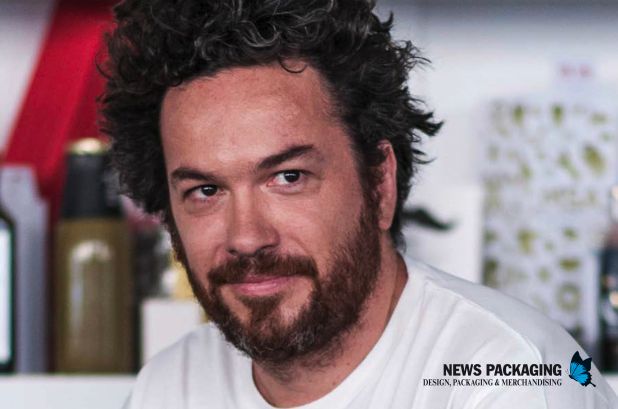
Lo Siento is a graphic design studio located in Barcelona, Spain, founded in 2007. Its philosophy is based on creativity, innovation and constant experimentation through artisanal processes, as explained by its founder, Borja Martínez.
What led you to create Lo Siento?
The passion for creating things with meaning and an authentic, original quality, for building a unique discourse that contributes to a distinct language within the graphic design sector, bringing a human dimension to the relentless digitization of everything. The starting point was connecting the practice of graphic design with art and craftsmanship, thus creating a term that defines us: “Branding with a sense of touch. The 5 senses involved in the creative process.”
Is it considered more analog than digital?
Our starting point and conceptual framework is analog, but the final product is mostly digital. We create digital images through manual and artisanal practice, striving for excellence in every proposal. We generate images constructed in an analog, manual, and physical way. But in addition to this, we work with real-world volume through packaging projects.
In their designs, how do the graphic and the industrial coexist?
They coexist constantly, from the origin of the idea, the concept, the object or piece to the final image created through photography.
Which sectors does it primarily work for?
We work for restaurateurs, food brands, cultural associations, institutions, architects, record labels, publishers, hotel groups, fashion brands, advertising agencies, artisans or art galleries…
What do you consider before designing packaging for a product? Is it difficult to combine creativity and functionality?
We consider its function and fundamental purpose as a product within its sector and market. But the aesthetic function is also important, and that's where the emotional component counts for a lot, since it connects the product with the consumer in a natural and honest way.
Do you prioritize ecodesign criteria? How do you integrate sustainability into your projects?
That's right, it's very important to work with materials that don't contain ingredients that could harm the environment and are kind to our planet. In our latest packaging project, we used a cardboard made from recycled paper as the main material.
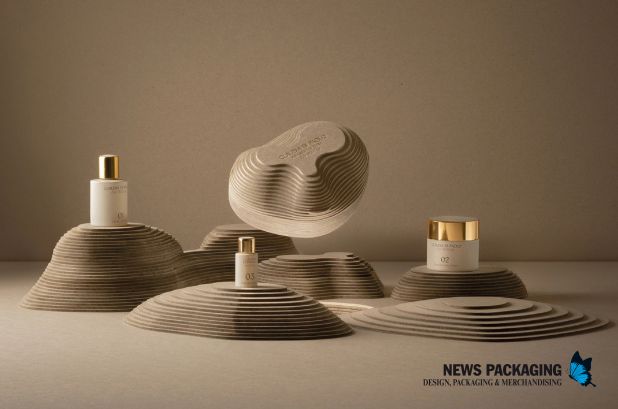
For the packaging developed for Claudia di Paolo, inspired by natural stones, they chose plasterboard. How do they choose the materials they use?
For this project, the conceptual coincidence was curious, since we wanted to design a three-pack of cosmetic containers in the shape of a stone, and the material that worked best for this idea was cardboard stone, a recycled and very economical material. Therefore, to create luxury packaging, we used the cheapest material on the market.
What do the awards represent for Lo Siento? Are they just recognition or do they help "open doors"?
It's likely that, in the long run, the echo of the award generates some ripples that eventually reach potential clients, but it's not proven… At least in our case, it's the project that attracts the project. The project itself, if successful, becomes our own sales agent. For example, if we do a good wine label design project, more commissions of that type usually follow. Going back to the question about awards, I think everything we do counts, and it's important to create and generate small ripples that can lead to new contacts with new experiences or design projects for all kinds of clients.
What trends are currently observed in design?
Artificial intelligence, like a tsunami, is perhaps the most powerful current trend, but I'd like to think that this very fact is creating a countercurrent that I would call Artisanal Intelligence. The human element is closer, the human and artisanal is more real. We are forgetting how to feel… “Feeling is urgent now,” from my point of view. I believe that artificial intelligence is too invasive, and although it does provide us with effective solutions, we forget that we are here on this planet to live, not to be lived by. The capacity for effort is disappearing because of these tools that come to the service of humankind, a being that is becoming less and less human and more and more artificial, while the artificial (AI) wants to be more human… a change of roles, a change of parts… Loss of identity. The human element is truth; the artificial, false and superficial.
Are brands aware of the importance of their product packaging design?
Of course, packaging design is key today, especially as an object that sells itself. It's important to give this object personality so that it communicates honestly and effectively with the consumer. Here again, visual identity is a crucial ingredient for translating meaning, function, and emotional aesthetic power, to explain and convince the consumer organically and honestly.
What future projects do you have?
We worked on the new image for Santiago del Teide in Tenerife, the park that surrounds the mountain. We're also involved in several restoration projects in Barcelona, Alicante, and Madrid. In addition, we're working on visual identity projects in Beirut for a Lebanese architect, an olfactory brand for an Ibiza-based company, a collection of book covers for the Alianza publishing house, and we've just finished the Sant Joan festival campaign for the Generalitat (Catalan government) and a line of natural wine labels in Galicia.